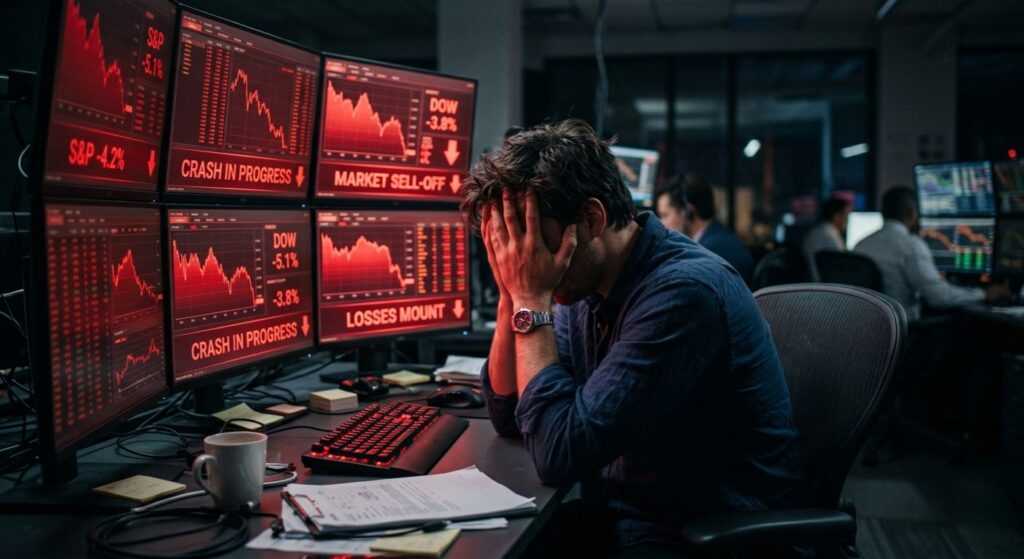
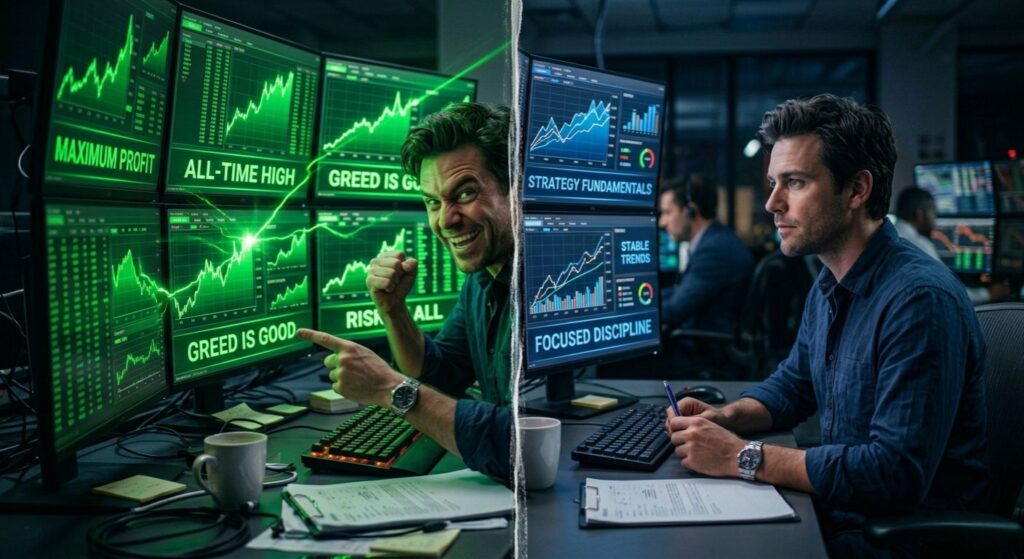
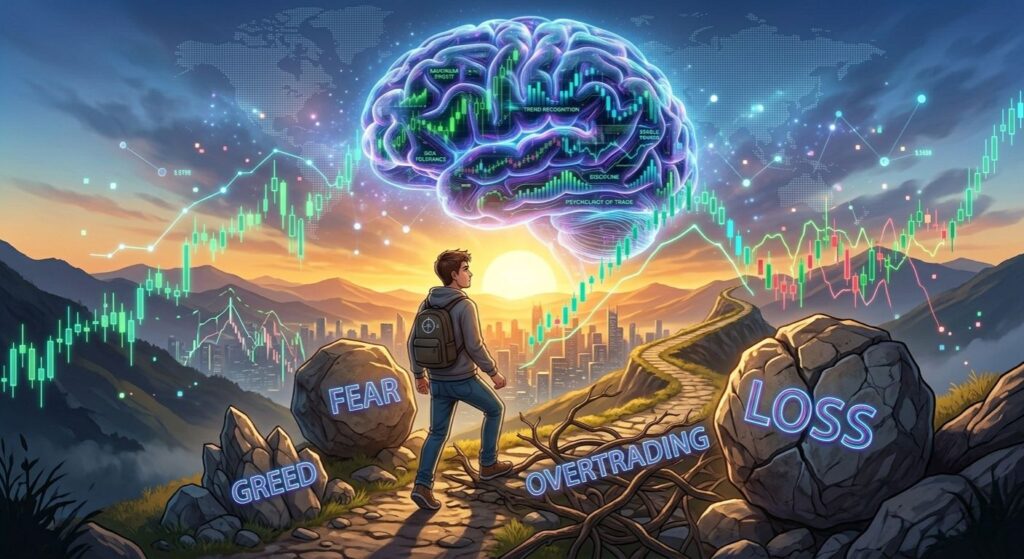
All about common emotional mistakes new traders make — if you’re just starting your trading journey, understanding this can save you from major losses. Many beginners think trading is all about strategy, indicators, or tips. But in reality, emotions are the biggest reason traders fail, especially in the early stages.
In this blog, we’ll break down the most common emotional mistakes new traders make and how you can avoid them to become a smarter, more disciplined trader
1. Fear of Missing Out (FOMO)
One of the most common emotional mistakes new traders make is FOMO. You see a stock suddenly going up, everyone on social media is talking about it, and you jump in without proper analysis.
Why it’s dangerous:
You enter trades late
Price may reverse immediately
You end up buying at the top
How to avoid it:
Stick to your trading plan
Never enter a trade just because others are doing it
Wait for proper confirmation and setup
2. Overtrading
New traders often feel the need to trade constantly. They think more trades = more profit, but that’s not true.
Why it’s dangerous:
Increases brokerage costs
Leads to impulsive decisions
Drains mental energy
How to avoid it:
Set a daily trade limit
Focus on quality trades, not quantity
Accept that “no trade” is also a good decision
3. Revenge Trading
After a loss, many beginners try to recover money immediately by taking bigger or random trades. This is called revenge trading.
Why it’s dangerous:
Losses become bigger
Emotional control is completely lost
You break your strategy rules
How to avoid it:
Take a break after a loss
Don’t try to win back money instantly
Follow a strict stop-loss discipline
4. Lack of Patience
Patience is one of the most important skills in trading, but beginners often lack it.
Common signs:
Entering trades too early
Exiting trades too quickly
Not waiting for proper setups
Why it’s dangerous:
You miss good opportunities
You take low-quality trades
How to avoid it:
Wait for your setup to match fully
Trust your analysis
Remember: trading is a long-term game
5. Ignoring Stop-Loss
This is one of the biggest emotional mistakes new traders make. Many traders avoid placing a stop-loss because they hope the market will reverse.
Why it’s dangerous:
Small losses turn into big losses
Capital gets wiped out quickly
How to avoid it:
Always use a stop-loss
Decide risk before entering the trade
Accept that losses are part of trading
6. Greed for More Profit
Greed is another major emotion that affects traders. Even when a trade is in profit, beginners hold it longer hoping for more gains.
Why it’s dangerous:
Profit turns into loss
You ignore exit signals
How to avoid it:
Set a target before entering
Book profits when target is reached
Follow a risk-reward ratio
7. Lack of Discipline
Discipline separates successful traders from beginners. Many new traders:
Don’t follow their plan
Change strategy frequently
Trade based on emotions
Why it’s dangerous:
No consistency in results
Hard to learn from mistakes
How to avoid it:
Create a clear trading plan
Stick to rules strictly
Track your trades in a journal
8. Overconfidence After Wins
After a few successful trades, beginners often feel they have mastered the market.
Why it’s dangerous:
You take bigger risks
You ignore analysis
Losses become bigger
How to avoid it:
Stay humble
Treat every trade equally
Keep position sizing consistent
9. Blindly Following Tips
Many new traders depend on Telegram, WhatsApp groups, or influencers for trading tips.
Why it’s dangerous:
No understanding of the trade
High risk of losses
No learning happens
How to avoid it:
Do your own analysis
Learn basic technical and fundamental concepts
Use tips only for reference, not blindly
10. Emotional Attachment to Trades
Some traders become emotionally attached to a stock or position.
Why it’s dangerous:
You don’t exit losing trades
You ignore market signals
How to avoid it:
Treat trading like a business
Focus on data, not emotions
Be ready to exit anytime
Final Thoughts
Understanding common emotional mistakes new traders make is the first step toward becoming a successful trader. The market doesn’t just test your strategy — it tests your mindset.
If you can control your emotions:
You will reduce losses
You will make better decisions
You will grow consistently
👉 Remember: Trading is not about making quick money. It’s about managing risk and staying disciplined
The information provided here is for general informational purposes only and should not be construed as financial advice. Investing in the stock market involves inherent risks, and there is no guarantee of profits or protection against losses. Before making any investment decisions, it is essential to conduct thorough research and seek advice from a qualified financial advisor or professional
WhatsApp us
Register now for free stock market seminar this tuesday